Clutch Slipping or Transmission Fluid Problems: Understanding the Difference

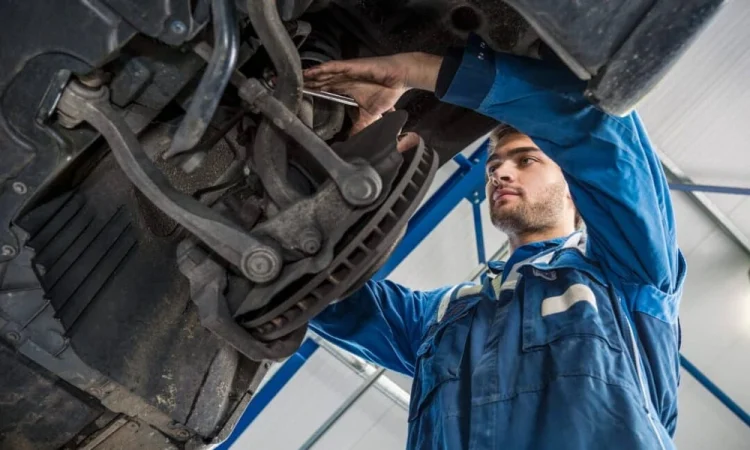
Clutch slipping and transmission fluid problems can create surprisingly similar driving symptoms. However, each issue affects different parts of the vehicle drivetrain. The difference matters because accurate diagnosis prevents unnecessary repairs and wasted service costs. Sometimes poor acceleration points toward clutch wear rather than transmission fluid trouble. So careful observation can help identify where the actual problem begins. Now understanding these differences makes professional transmission diagnosis much more straightforward.
Recognizing the Signs of a Slipping Clutch
A slipping clutch usually becomes noticeable during acceleration or demanding driving conditions. The engine may increase speed without producing matching vehicle acceleration. This happens when the clutch cannot maintain firm contact between rotating components. A worn friction surface often causes this loss of mechanical connection. Sometimes the problem becomes stronger while climbing hills or carrying heavier loads. Garrin’s Automotive can inspect clutch operation when these symptoms appear repeatedly.
Understanding Transmission Fluid Related Problems
Transmission fluid problems can also produce unusual noises during certain driving conditions. Dark or contaminated fluid may indicate internal wear or excessive operating heat. A fluid leak can gradually reduce the available lubrication and hydraulic pressure. So, checking fluid condition should form part of professional transmission diagnosis. Garrin’s Automotive can assess fluid condition and identify possible leakage around transmission components.
Professional Inspection Can Prevent Further Drivetrain Damage
Persistent slipping or shifting concerns should never be ignored during everyday driving. Continued operation can increase heat and accelerate wear inside vulnerable drivetrain components. A professional technician can compare clutch behavior with transmission operating conditions. Fluid inspection can reveal contamination while pressure testing can expose hydraulic problems. These checks help establish whether the issue involves clutch engagement or transmission operation.
Conclusion
Reliable Auto Repair in Lehi, UT service can support accurate diagnosis for drivetrain performance concerns. Garrin’s Automotive can inspect symptoms and recommend appropriate repair procedures based on findings. Early attention may help prevent a relatively manageable fault from becoming more expensive. The right diagnosis also ensures that necessary components receive appropriate professional servicing.
FAQs
Can Clutch Slipping Happen Without Producing Unusual Noises?
Yes. Clutch slipping can occur quietly while acceleration becomes noticeably weaker. Engine speed may rise without producing corresponding vehicle movement during acceleration.
Can Old Transmission Fluid Imitate Clutch Slipping Symptoms?
Sometimes degraded fluid can create delayed engagement and poor transmission response. However, proper testing can distinguish hydraulic problems from genuine clutch wear.
Does A Burning Smell Always Indicate Clutch Damage?
No. Excessive heat from several drivetrain components can create similar smells. Professional inspection should identify the exact source before repairs begin.
Can Fluid Leakage Cause Transmission Performance Changes?
Yes. Fluid loss can reduce lubrication and affect hydraulic transmission operation. Continued leakage may eventually contribute to significant internal component damage.
Should Shifting Problems Always Mean Transmission Replacement?
No. Some shifting concerns originate from fluid condition, sensors, seals or smaller components. Proper diagnosis should occur before considering major transmission replacement.