
KEY CONSIDERATIONS AROUND REBUILT ENGINE ECM SOLUTIONS FOR SMARTER VEHICLE CONTROL

1. INTRODUCTION
If you find it difficult to replace the original ECM of a vehicle, then rebuilt engine control modules can be useful for you. A balance between affordability and reliable electronic control, especially for older vehicles, is provided. But it should not be treated as a universal solution. Its suitability depends on the vehicle, the cause of failure, the quality of rebuilding, and the installation process.
When evaluating a replacement module, it is helpful to look beyond the immediate repair and consider how the rebuilt unit fits the vehicle’s overall electronic system. Factors such as dependable testing, correct calibration, compatibility, and installation support can make a significant difference in long-term performance. Exploring Rebuilt Engine Ecm Solutions Insights can also help vehicle owners better understand the practical considerations involved before choosing a rebuilt ECM and ensure that the selected option aligns with the vehicle’s specific requirements.
2. UNDERSTAND THE CAUSE OF THE FAILURE
The first consideration is the reason the original ECM stopped working. Electrical surges, damaged wiring, moisture, poor grounds, overheating, or component failure can all affect a control module. If the underlying cause is not corrected, another ECM may experience the same problem. Proper diagnosis therefore protects both the replacement module and the vehicle owner’s money.
3. CONSIDER MODULE COMPATIBILITY
Compatibility goes beyond physical fit. An ECM can have different software, calibration, communication settings, or security requirements even when its casing looks identical to another unit. The correct part number and vehicle specifications should be verified before purchase. This is especially important when sourcing rebuilt modules for older or less common vehicles.
4. EVALUATE REBUILDING STANDARDS
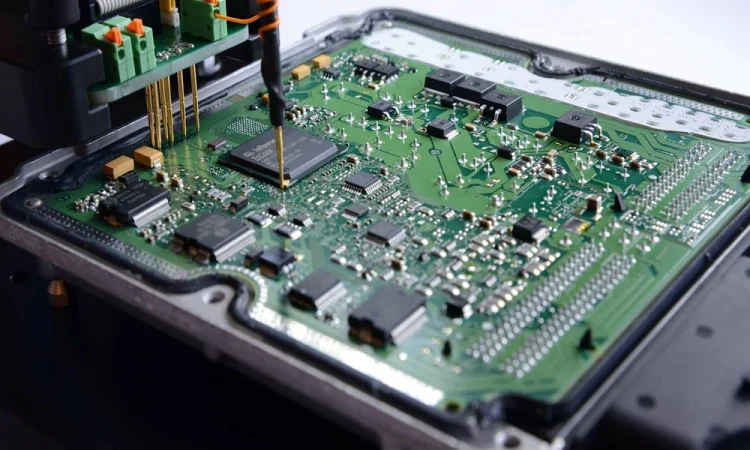
The quality of a rebuilt ECM depends on how carefully it has been restored and tested. A dependable supplier should inspect the circuit board, identify failed components, repair faults, and test important functions. The module should be supplied in suitable condition and backed by reasonable warranty support. Clear information about the rebuilding process can help buyers make a more informed choice.
5. REVIEW PROGRAMMING NEEDS
Electronic control modules often require programming or configuration before they can operate correctly in another vehicle. Some applications also involve anti-theft systems or communication with other modules. The owner should confirm whether programming is included in the service or must be performed separately. This helps avoid unexpected costs after purchasing the replacement.
6. INSTALLATION QUALITY MATTERS
Even a high-quality rebuilt ECM can perform poorly if installation is careless. Technicians should inspect connectors, wiring, power supplies, and grounds before fitting the module. They should also follow the recommended procedures for programming and initialization. After installation, diagnostic scanning and functional testing can confirm that the vehicle’s electronic systems are communicating correctly.
7. BALANCING COST AND RELIABILITY
Even though price is the only factor it should not be considered as the only one. A very cheap module with limited testing or no meaningful warranty may become expensive if it fails again. Comparing supplier reputation, testing standards, compatibility, warranty terms, and programming support gives a clearer picture of overall value.
8. CONCLUSION
To conclude, Rebuilt ECM solution is a smart repair option when the right module is professionally rebuilt and correctly installed. Careful diagnosis, compatibility checks, quality testing, programming, and attention to the original cause of failure all contribute to reliable results. Consideration of these factors allows a vehicle owner to make practical decisions while maintaining effective engine control.