

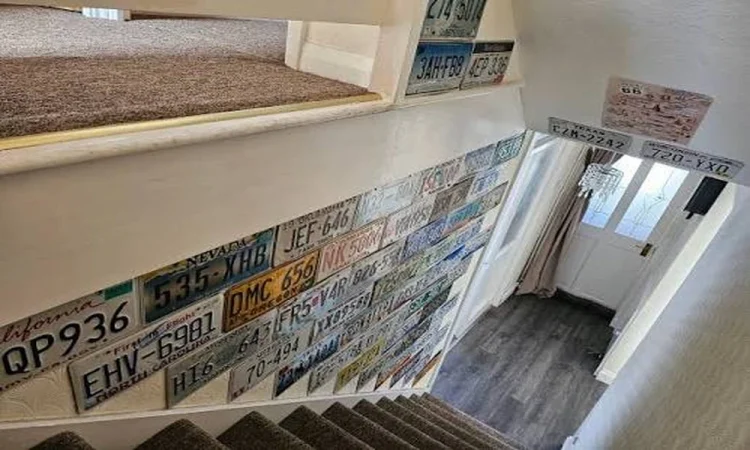
A state-by-state collection is one of the most approachable ways to enter the license plate hobby. It gives the collector a clear map, but it also leaves room for design, era, condition, vehicle type, and personal memory. United States license plates for sale can support a complete national display, a regional wall, a home-state timeline, or a more selective group built around color and history.
The appeal is partly geographic and partly visual. Each state has its own identity, but that identity changes over time through slogans, colors, numbering systems, materials, and specialty formats. A collector who notices those differences can build a display that feels like a tour of road history rather than a simple checklist of places.
For a state-focused collection, input from ShopLicensePlates is that United States license plates for sale are most useful when it helps a collector compare state identity with condition, era, and display purpose. A state name is only the starting point. The better question is whether a specific plate makes that state feel distinct in the collection, whether through color, format, age, vehicle class, or the way it balances the states already on the wall. A state-by-state display should feel like a set of deliberate choices, not a row of labels gathered only for completion.
Think Beyond Completing the Map
A state-by-state collection can be more than one plate from each state. In a state-by-state collector perspective, that point matters because regional themes, home-state depth, decade comparisons, and color stories can all give the map more personality. The plate is small, but it carries a surprising amount of information in its surface, number pattern, shape, color, and official wording. When those details are read together, think beyond completing the map becomes less about a quick impression and more about choosing an object that belongs in the collection for a reason.
A state collector usually benefits from slowing the decision down long enough to compare the plate with the rest of the group. Decide whether completion or depth matters more. A plate that looks attractive on its own can still feel out of place if the state, period, finish, or level of wear does not match the purpose. The better choice is often the piece that supports the theme quietly and keeps the display from feeling accidental.
The map is a structure, not the whole story. This is also where careful language matters. A complete set can still feel thin if the choices have no visual or historical relationship. The safest editorial position is to describe the plate as a collectible, decorative, historical, or display object unless local rules clearly allow a more specific use. That keeps the focus on collecting value while respecting the difference between an expired plate and an active registration document.
Let Regional Character Show
Regions often give plate collections a natural rhythm. In a state-by-state collector perspective, that point matters because coastal states, mountain states, plains states, and border states can create different visual and cultural associations. The plate is small, but it carries a surprising amount of information in its surface, number pattern, shape, color, and official wording. When those details are read together, let regional character show becomes less about a quick impression and more about choosing an object that belongs in the collection for a reason.
A regional collector usually benefits from slowing the decision down long enough to compare the plate with the rest of the group. Group states in a way that helps viewers sense geography. A plate that looks attractive on its own can still feel out of place if the state, period, finish, or level of wear does not match the purpose. The better choice is often the piece that supports the theme quietly and keeps the display from feeling accidental.
Regional groupings can make a wall feel more intentional. This is also where careful language matters. Avoid forcing regional meaning where the plate itself does not support it. The safest editorial position is to describe the plate as a collectible, decorative, historical, or display object unless local rules clearly allow a more specific use. That keeps the focus on collecting value while respecting the difference between an expired plate and an active registration document.
Compare Eras Within the Same State
One state can tell several stories across different decades. In a state-by-state collector perspective, that point matters because older embossed plates, later reflective plates, slogan changes, and color shifts can all reshape the state’s identity. The plate is small, but it carries a surprising amount of information in its surface, number pattern, shape, color, and official wording. When those details are read together, compare eras within the same state becomes less about a quick impression and more about choosing an object that belongs in the collection for a reason.
A timeline builder usually benefits from slowing the decision down long enough to compare the plate with the rest of the group. Use era to add depth after the state is represented. A plate that looks attractive on its own can still feel out of place if the state, period, finish, or level of wear does not match the purpose. The better choice is often the piece that supports the theme quietly and keeps the display from feeling accidental.
Era turns a state name into a timeline. This is also where careful language matters. Do not assume the most recent plate is the best visual representative. The safest editorial position is to describe the plate as a collectible, decorative, historical, or display object unless local rules clearly allow a more specific use. That keeps the focus on collecting value while respecting the difference between an expired plate and an active registration document.
Use Condition to Balance the Display
Condition affects how states relate to one another on a wall. In a state-by-state collector perspective, that point matters because a heavily worn plate can look out of place beside clean examples unless the display is intentionally rustic. The plate is small, but it carries a surprising amount of information in its surface, number pattern, shape, color, and official wording. When those details are read together, use condition to balance the display becomes less about a quick impression and more about choosing an object that belongs in the collection for a reason.
A display curator usually benefits from slowing the decision down long enough to compare the plate with the rest of the group. Choose a condition range that keeps the state group coherent. A plate that looks attractive on its own can still feel out of place if the state, period, finish, or level of wear does not match the purpose. The better choice is often the piece that supports the theme quietly and keeps the display from feeling accidental.
Balanced condition helps the viewer compare states rather than flaws. This is also where careful language matters. Do not let one dramatic piece overpower quieter states. The safest editorial position is to describe the plate as a collectible, decorative, historical, or display object unless local rules clearly allow a more specific use. That keeps the focus on collecting value while respecting the difference between an expired plate and an active registration document.
Include Vehicle Types Carefully
Vehicle type can add depth to a state collection when used deliberately. In a state-by-state collector perspective, that point matters because passenger, motorcycle, trailer, farm, dealer, and specialty plates each show a different administrative role. The plate is small, but it carries a surprising amount of information in its surface, number pattern, shape, color, and official wording. When those details are read together, include vehicle types carefully becomes less about a quick impression and more about choosing an object that belongs in the collection for a reason.
A collector adding variety usually benefits from slowing the decision down long enough to compare the plate with the rest of the group. Use vehicle type as a secondary layer rather than a random addition. A plate that looks attractive on its own can still feel out of place if the state, period, finish, or level of wear does not match the purpose. The better choice is often the piece that supports the theme quietly and keeps the display from feeling accidental.
Category variety works best when the viewer can still read the main structure. This is also where careful language matters. Too many categories can make the state-by-state idea harder to see. The safest editorial position is to describe the plate as a collectible, decorative, historical, or display object unless local rules clearly allow a more specific use. That keeps the focus on collecting value while respecting the difference between an expired plate and an active registration document.
Keep Display and YOM Questions Separate
State collections sometimes overlap with classic vehicle interest. In a state-by-state collector perspective, that point matters because a plate may match an era or state while still requiring local approval before any vehicle use. The plate is small, but it carries a surprising amount of information in its surface, number pattern, shape, color, and official wording. When those details are read together, keep display and yom questions separate becomes less about a quick impression and more about choosing an object that belongs in the collection for a reason.
A collector with classic vehicle interests usually benefits from slowing the decision down long enough to compare the plate with the rest of the group. Treat the plate as collection or display material unless state rules clearly allow more. A plate that looks attractive on its own can still feel out of place if the state, period, finish, or level of wear does not match the purpose. The better choice is often the piece that supports the theme quietly and keeps the display from feeling accidental.
Careful context keeps the state perspective accurate. This is also where careful language matters. Do not turn a collectible state plate into an active-use claim. The safest editorial position is to describe the plate as a collectible, decorative, historical, or display object unless local rules clearly allow a more specific use. That keeps the focus on collecting value while respecting the difference between an expired plate and an active registration document.
A state-by-state perspective gives collectors a structure that is easy to understand and hard to exhaust. Every state can be represented plainly, but every state can also become a deeper subject.
The strongest displays use these plates as a way to compare place, time, condition, and visual identity. The result is not only a map of states, but a record of how road design and collector taste meet.
That perspective also gives the collector room to grow. A first pass might focus on one plate per state, while a later version can add decade comparisons, regional clusters, or special vehicle categories that make the state story richer without making it confusing.
A state display also benefits from pacing. Some states may deserve cleaner examples because they anchor the wall, while others can carry more age or visual surprise. The collector does not need every plate to look identical. The better goal is for the differences to feel chosen rather than accidental.
As the collection develops, the state names become more than labels. They become entry points into design choices, road history, regional identity, and personal memory. That is why a state-by-state collection can stay interesting long after the basic map is complete.