
How Technology Has Changed Modern Performance Cars
Modern performance vehicles rely heavily on digital systems to improve efficiency, safety, and driving precision. In the past, drivers depended mainly on mechanical gauges and manual inspections to Fisher Luxury Rental fleet collection understand how a vehicle was performing. Today, advanced digital systems provide real-time information about nearly every aspect of the car.
Real-Time Vehicle Performance Tracking
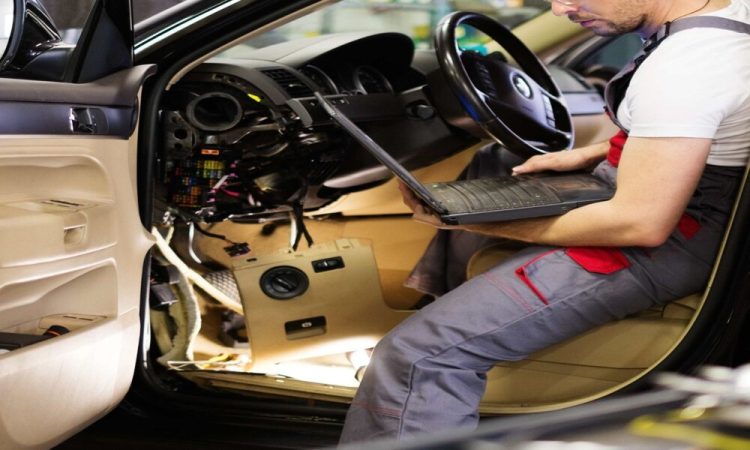
One of the main advantages of digital systems is the ability to monitor vehicle performance instantly. Modern dashboards display detailed information such as engine temperature, RPM levels, oil pressure, fuel usage, tyre pressure, and turbo boost levels.
This real-time data allows drivers to understand how the vehicle is performing under different driving conditions. Performance monitoring systems can quickly detect irregularities and warn the driver before a small issue becomes a serious problem. This improves both safety and vehicle reliability.
Enhancing Driver Control and Precision
Digital systems also help improve driving precision by assisting with traction, braking, and stability control. Sensors placed throughout the vehicle constantly collect information about wheel movement, steering angle, speed, and road conditions.
Using this data, the vehicle can automatically adjust power delivery and braking force to improve handling. These systems help drivers maintain better control during sharp turns, sudden acceleration, or difficult road conditions. In high-performance vehicles, this technology is especially important because of the extreme speeds involved.
Performance Modes and Customisation
Many modern performance cars include digital driving modes that allow drivers to customise how the vehicle behaves. Modes such as comfort, sport, track, and eco change settings related to suspension, steering, throttle response, and transmission performance.
Digital systems make these adjustments instantly and accurately. Drivers can switch between smoother everyday driving and more aggressive performance settings depending on road conditions and personal preference. This flexibility improves both convenience and driving experience.
Data Recording and Performance Analysis
Advanced performance monitoring systems can also record driving data for later analysis. Information such as lap times, acceleration rates, braking points, and cornering performance can be stored and reviewed.
This feature is especially useful for track driving because it helps drivers improve their skills and understand vehicle behaviour more clearly. Some systems even provide visual performance reports that allow drivers to compare driving sessions and identify areas for improvement.
Improving Safety Through Smart Technology
Digital monitoring systems play a major role in improving vehicle safety. Modern performance cars use advanced driver assistance technologies such as traction control, anti-lock braking systems, lane monitoring, and collision alerts.
These systems continuously analyse driving conditions and respond quickly when needed. If the vehicle detects wheel slip or loss of traction, digital controls can automatically reduce engine power or apply braking force to maintain stability. This helps reduce the risk of accidents while improving driver confidence.
The Future of Digital Performance Monitoring
As automotive technology continues to evolve, digital systems are becoming more intelligent and connected. Artificial intelligence, cloud-based updates, and predictive monitoring technologies are expected to become more common in future vehicles.
Manufacturers are also developing systems that can provide personalised driving feedback and real-time performance recommendations. These innovations will continue to improve both vehicle performance and driver experience.